Scientific updates and ASPIC initiatives.
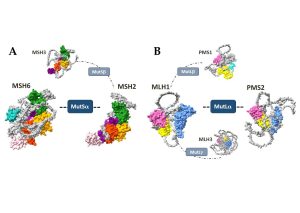
- Functional assays for the classification of genetic variants in Lynch syndrome
Authors and Affiliations:Pedro Rodrigues (1,3), Paulo Matos (1,2), João Gonçalves (1,3) and Peter Jordan (1,2)1 Department of Human Genetics, National Institute of Health Dr. Ricardo Jorge, 1649-016 Lisbon,…
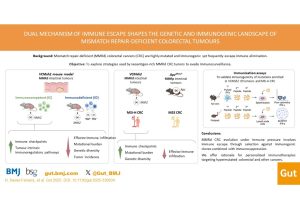
- Dual immune evasion mechanism shapes MMR-deficient colorectal tumors
A team of researchers from the Institute for Research and Innovation in Health (i3S) at the University of Porto has identified persistent vulnerabilities in colorectal tumors that could…
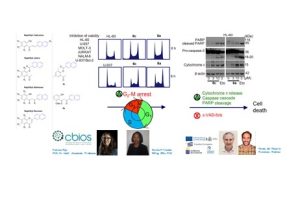
- Natural-inspired flavonoid derivatives show promising activity against leukemia cells
An international team of researchers led by Patricia Rijo (Lusófona University) has recently published a study demonstrating the anticancer potential of derivatives inspired by natural products. The investigated…
- One-second 3D scanning: Innovation in breast cancer surgery
Researchers from the Digital Surgery Lab at the Champalimaud Foundation have developed an automatic 3D surface scanning system that captures breast cancer patients' anatomy in just one second.…
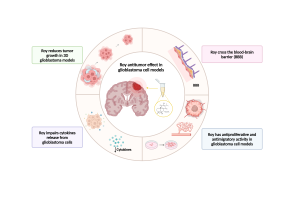
- Antitumor effect of the natural compound 7α-acetoxy-6β-hydroxyroyleanone (Roy) in glioblastoma cell models
This study focuses on glioblastoma, a highly aggressive and deadly brain tumor characterized by a dismal 5-year survival rate of ~6% and the absence of effective treatments. This…
- Genetic Variants in Amino Acid Transporters Associated with Prognosis in Colorectal Cancer
A study published in Anticancer Research identified genetic variants in SLC1A5, SLC7A5, and SLC3A2 associated with survival in colorectal cancer patients. These findings highlight the role of tumor…
- Repurposing Positive Inotropic Agents as a Potential Strategy for Personalized Treatment of Bladder Cancer
Authors and Affiliations: Eduarda Ribeiro 1,2 and Nuno Vale 1,3,4,*1 PerMed Research Group, RISE-Health, Faculty of Medicine, University of Porto, Alameda Professor Hernâni Monteiro, 4200-319 Porto, Portugal; [email protected]2…
- Patient-derived tumoroids recapitulate the morphologic and molecular features of pediatric brain tumors
Pediatric brain tumors are the leading cause of cancer-related deaths in children. Although modern genetic technologies have greatly improved our understanding of these tumors, turning this knowledge into…
- Preclinical studies on the antitumor and non-toxic effect of combining pirfenidone with vinorelbine and carboplatin in non-small cell lung cancer
This work recently published in the “International Journal of Cancer" demonstrated the possibility of repurposing pirfenidone (an antifibrotic drug) in combination with vinorelbine or with vinorelbine plus carboplatin…
- Patient-derived organoids to study glycosylation dynamics during gastric disease
Researchers from the Glycobiology in Cancer at i3S established a unique biobank of patient-derived gastric organoids showing that these models faithfully reproduce human tissue glycosylation across stages of…
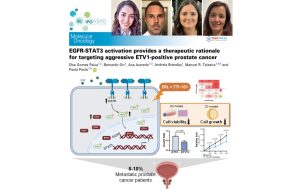
- EGFR and STAT3 as therapeutic targets in ETV1-positive prostate cancer
Researchers from the Cancer Genetics Group at IPO Porto, in collaboration with the School of Medicine and Biomedical Sciences at the University of Porto (ICBAS), have uncovered a…
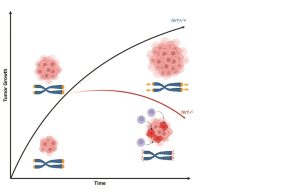
- Absence of Telomerase Leads to Immune Response and Tumor Regression in Zebrafish
Lopes-Bastos et al. report that melanoma in zebrafish initiates without telomerase (or ALT) activation. However, in late progression, telomerase becomes essential for sustained tumor growth. Tumors that fail…